
The Retail Calendar and Seasonal Inventory Cycles
The retail fashion industry operates on a strict merchandising calendar that dictates when specific garments are introduced, promoted, and eventually cleared from the sales floor. Traditional brick-and-mortar stores and online merchants typically transition their inventories four times a year, aligning roughly with spring, summer, autumn, and winter. As soon as a season begins, merchants are already receiving merchandise for the following season to maintain a fresh and appealing storefront. This continuous cycle means that current inventory must constantly make physical and financial room for incoming goods, creating a predictable rhythm of stock turnover that savvy observers can easily track throughout the calendar year.
Retailers utilize markdowns not merely to delight shoppers, but out of absolute operational necessity. Warehouse space is expensive, and unsold garments sitting on racks represent tied-up capital that cannot be reinvested into new product lines. Furthermore, apparel experiences rapid depreciation in consumer appeal once weather patterns change or micro-trends evolve. To mitigate these carrying costs, stores systematically reduce prices in cascading phases. Understanding this underlying business model provides valuable context for anyone examining retail pricing structures, revealing that deep discounts are a fundamental component of modern supply chain management rather than anomalous promotional events.
Timing Your Purchases for Maximum Markdowns
Timing is the single most critical factor when observing end of season clothing sales, as retailers rarely slash prices by seventy percent on day one of a clearance cycle. Instead, markdowns typically follow a tiered trajectory designed to extract maximum revenue from less price-sensitive shoppers before appealing to bargain hunters. An initial markdown might shave twenty to thirty percent off the original retail price while a full range of sizes remains available on the sales floor. Several weeks later, as inventory lingers and storage space becomes constrained, prices drop further into the forty to sixty percent discount range, though popular sizes and versatile colors will likely have vanished by this point in the timeline.
The final phase of a seasonal clearance event represents the deepest price reductions, often reaching seventy to ninety percent off, but this approach involves a significant gamble regarding product availability. Retailers eventually need to completely clear remaining stock to make room for the next major seasonal rollout, sometimes shipping unsold items to secondary outlet stores, liquidators, or donation centers. For consumers tracking these patterns, the sweet spot often occurs midway through the markdown schedule when prices are reasonably low, but a viable selection of styles and sizes can still be found across the racks or within online sorting filters.
Key Categories and Predictable Clearance Windows
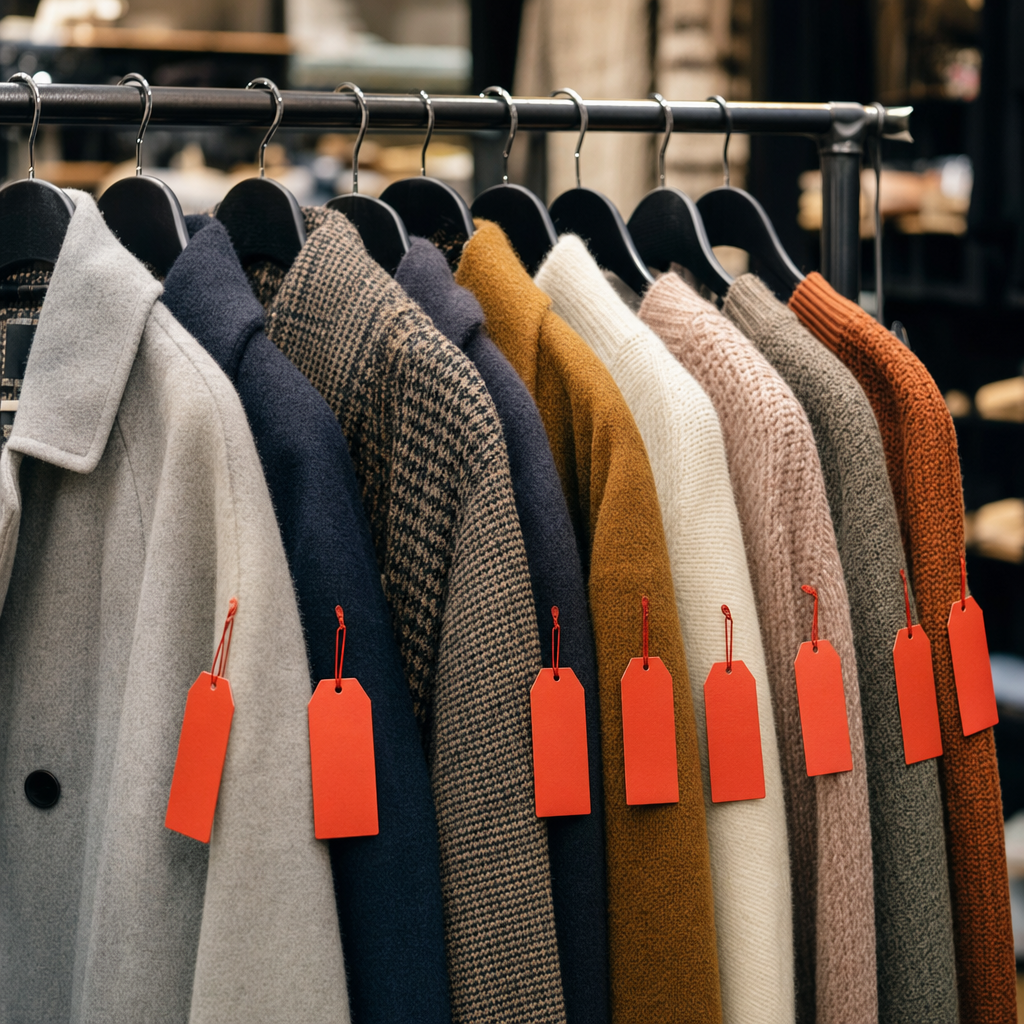
Different apparel categories follow distinct clearance windows based on climate shifts and holiday retail patterns. Winter apparel, including heavy coats, wool sweaters, thermal undergarments, and winter boots, typically sees its most aggressive price cuts immediately following the winter holidays in January and February. Retailers are eager to offload bulky winter inventory to reclaim valuable floor space for lighter spring collections. Similarly, summer merchandise such as swimwear, shorts, sandals, and lightweight linen shirts reaches maximum markdown status right around late July and August, just as back-to-school merchandising starts dominating retail spaces and signaling the impending transition to autumn wardrobes.
Transition-season garments, such as light jackets, cardigans, and denim, often occupy a more ambiguous space in the retail calendar because they can be worn comfortably across multiple months. Consequently, these versatile items may not experience the same steep, rapid price drops as hyper-seasonal pieces like heavy parkas or beachwear. Recognizing these category-specific timelines helps individuals understand when specific types of apparel are most likely to be featured in clearance promotions, offering a clear window into how retail inventory shifts in response to weather and consumer demand throughout the year.
- Initial Markdown: 20% to 30% off, full size availability, best selection of styles.
- Secondary Markdown: 40% to 60% off, broken sizes, popular items begin to sell out.
- Final Clearance: 70% to 90% off, very limited sizing, final sale restrictions often apply.
Evaluating Quality and Fabric Longevity During Clearances
When garments are heavily discounted at the end of a season, it is exceptionally easy for shoppers to be swayed by low price tags rather than actual utility or construction quality. Examining fabric composition tags becomes even more vital during clearance events, as lower-priced items may utilize synthetic blends that pill, stretch, or degrade quickly after only a few laundering cycles. Natural fibers such as cotton, wool, linen, and silk generally retain their structural integrity and aesthetic appeal much longer, making them much wiser investments regardless of how deeply their initial price has been slashed by the merchant.
Another important consideration during clearance shopping is garment construction, including reinforced seams, secure button attachments, and quality hardware like metal zippers rather than fragile plastic alternatives. Fast-fashion retailers often manufacture specific lines of clothing explicitly for clearance events or lower price points, meaning the quality may differ noticeably from their primary in-season offerings. Taking the time to thoroughly inspect stitching, lining materials, and overall garment weight ensures that a discounted purchase represents genuine long-term value rather than a false economy driven purely by attractive markdown percentages.
Frequently Asked Questions About Seasonal Sales
When do winter clothing sales typically reach their lowest prices?
Winter apparel generally hits peak markdown levels in late January through February as retailers rush to clear heavy coats and sweaters to make room for spring arrivals.
Are end of season clearance items usually returnable?
Return policies vary by retailer, but deep clearance items are frequently labeled as final sale, meaning returns or exchanges are not permitted under any circumstances.
Do online stores offer the same end of season discounts as physical stores?
Online merchants often feature comparable or even deeper discounts to clear centralized warehouse inventory, though shipping fees and return restrictions may apply differently.
Why do retailers discount clothing instead of keeping it for next year?
Holding inventory incurs substantial warehousing costs, ties up business capital, and risks the merchandise becoming obsolete as fashion trends and consumer preferences continue to evolve.
Article Was Generated By AI.