
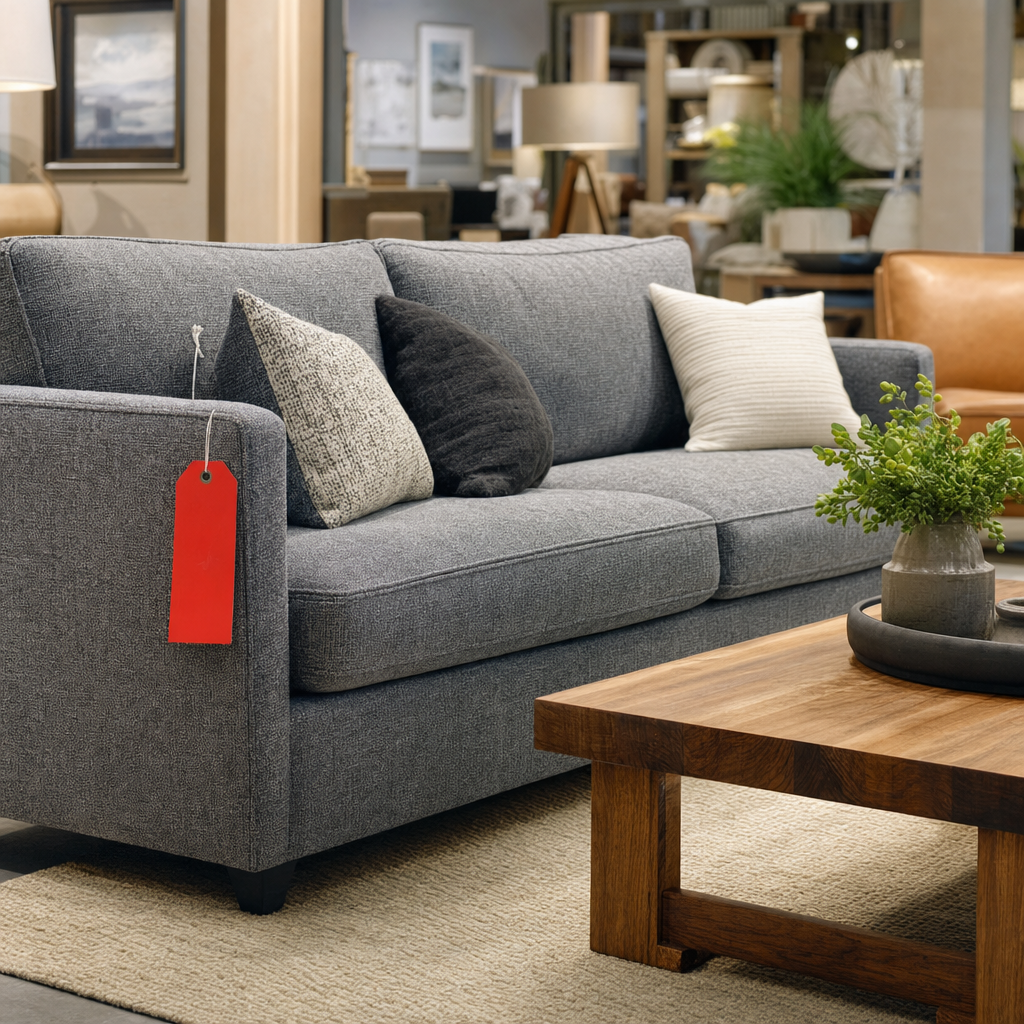
Understanding the True Cost of Furnishing a Home
Furnishing a home from scratch or updating an existing space can quickly deplete your savings if you do not approach the process with a clear financial strategy. Retail furniture prices often include significant markups, shipping fees, and assembly charges that inflate the final bill well beyond the actual value of the materials. By understanding how the industry prices goods, consumers can better navigate the market and avoid paying top dollar for items that may not stand the test of time. Developing a comprehensive budget before you begin shopping is the single most effective way to prevent impulse purchases and keep your financial goals on track.
Another critical aspect of managing furniture costs is distinguishing between essential pieces that require higher durability and accent items that can be sourced more affordably. Items subjected to heavy daily use, such as living room sofas, mattresses, and dining tables, generally warrant a larger portion of your budget because premature replacement ultimately costs more money. Conversely, decorative shelves, side tables, and nightstands experience far less wear and tear, making them ideal candidates for thrift store finds, clearance racks, or flat-pack assembly. Prioritizing your spending ensures that your hard-earned money goes toward the investments that genuinely matter for daily comfort and structural longevity.
Timing Your Purchases Around Retail Cycles
Retail furniture sales operate on predictable annual cycles driven by the introduction of new inventory. Manufacturers typically release new furniture lines twice a year, usually in late winter around February and early spring around August. As showrooms prepare to display these new collections, they aggressively slash prices on existing floor models and overstocked warehouse inventory to clear up valuable square footage. Shopping during these transition months allows savvy consumers to acquire high-end pieces at a fraction of their original retail cost simply because the retailer needs to make room for newer merchandise arriving from the factory floor.
In addition to seasonal transitions, major national holiday weekends offer some of the best promotional discounts of the entire calendar year. Events surrounding Presidents Day, Memorial Day, Independence Day, Labor Day, and Black Friday consistently feature storewide promotions, bundle deals, and waived delivery fees. If you can afford to wait a few weeks for a holiday to arrive, you will frequently find that standard retail items are marked down significantly or bundled with complimentary accessories. Planning your furniture acquisition timeline around these specific calendar dates helps eliminate unnecessary spending and maximizes the purchasing power of your budget.
Exploring Alternative Marketplaces and Secondhand Goods
The secondhand furniture market has experienced a massive evolution, moving far beyond traditional garage sales and dusty antique shops into the digital age. Online marketplaces, specialized peer-to-peer apps, and local community boards provide access to gently used furniture that often looks and functions like new. Many urban professionals move frequently and find themselves forced to sell high-quality designer furniture at deeply discounted prices because they lack the time or logistics to transport it. Sourcing items through these alternative channels allows you to bypass retail markups entirely while also participating in sustainable recycling practices that keep functional goods out of landfills.
When shopping for used furniture, conducting a thorough physical inspection is essential to ensure you are truly getting a bargain. Solid wood dressers, vintage dining chairs, and metal bed frames can easily be sanded, painted, or reupholstered to match your personal interior design aesthetic. However, upholstered items like couches and mattresses require much more caution due to the potential presence of stains, odors, or pests. Always inspect fabric joints, test drawer mechanisms, and verify structural stability before finalizing any purchase to ensure the item does not require costly professional restoration services.
- Check estate sales for solid wood antique furniture sold at liquidation prices.
- Utilize local neighborhood groups online to find free or extremely low-cost moving clear-outs.
- Inspect all structural joints, drawer tracks, and upholstery tags thoroughly before buying used.
- Calculate the cost of renting a truck or hiring help when factoring in the total price of secondhand finds.
Mastering Negotiation and Hidden Discount Strategies
Many consumers assume that retail furniture prices are completely fixed, but independent stores and regional showrooms often have considerable flexibility. Sales associates frequently possess the authority to offer unadvertised discounts, price match competitors, or throw in free delivery and assembly to close a sale. Politely asking if there is any room for price negotiation can yield surprising results, especially if you are purchasing multiple items at once or buying a floor model that has minor cosmetic blemishes. Approaching negotiations with a friendly demeanor and clear financial boundaries puts you in a strong position to secure a better overall deal.
Another effective way to lower your final total is to scrutinize delivery fees and optional warranty add-ons that retailers use to boost their profit margins. Shipping and handling charges can easily add hundreds of dollars to an otherwise modest furniture purchase, turning a good deal into an expensive ordeal. Whenever possible, opt for warehouse pickup to eliminate transportation fees completely, or negotiate free shipping as a condition of your purchase. Additionally, decline extended warranties on standard furniture items, as manufacturer defects usually appear quickly and consumer credit card protections often provide sufficient coverage without extra costs.
Common Questions About Saving Money on Furniture
What is the absolute best time of year to buy new furniture?
The best times to buy new furniture are during major holiday weekends like Presidents Day, Memorial Day, Labor Day, and Black Friday, as well as in February and August when manufacturers release new product lines and clear out old inventory.
Is it safe to buy upholstered furniture secondhand?
Buying upholstered furniture secondhand can be safe if you inspect it thoroughly for stains, odors, structural damage, and signs of pests. Always ask about the home environment and consider the cost of professional cleaning or reupholstering.
How can I avoid high delivery charges when buying furniture?
You can avoid high delivery charges by picking up the items yourself from the retail warehouse, negotiating free shipping as part of your purchase agreement, or utilizing local peer-to-peer transport services for lower rates.
Should I buy flat-pack furniture to save money?
Flat-pack furniture is generally much cheaper than pre-assembled solid wood pieces and works well for tight budgets. However, ensure the materials are sturdy enough for your needs and be prepared to spend time assembling them correctly.
Article Was Generated By AI.