
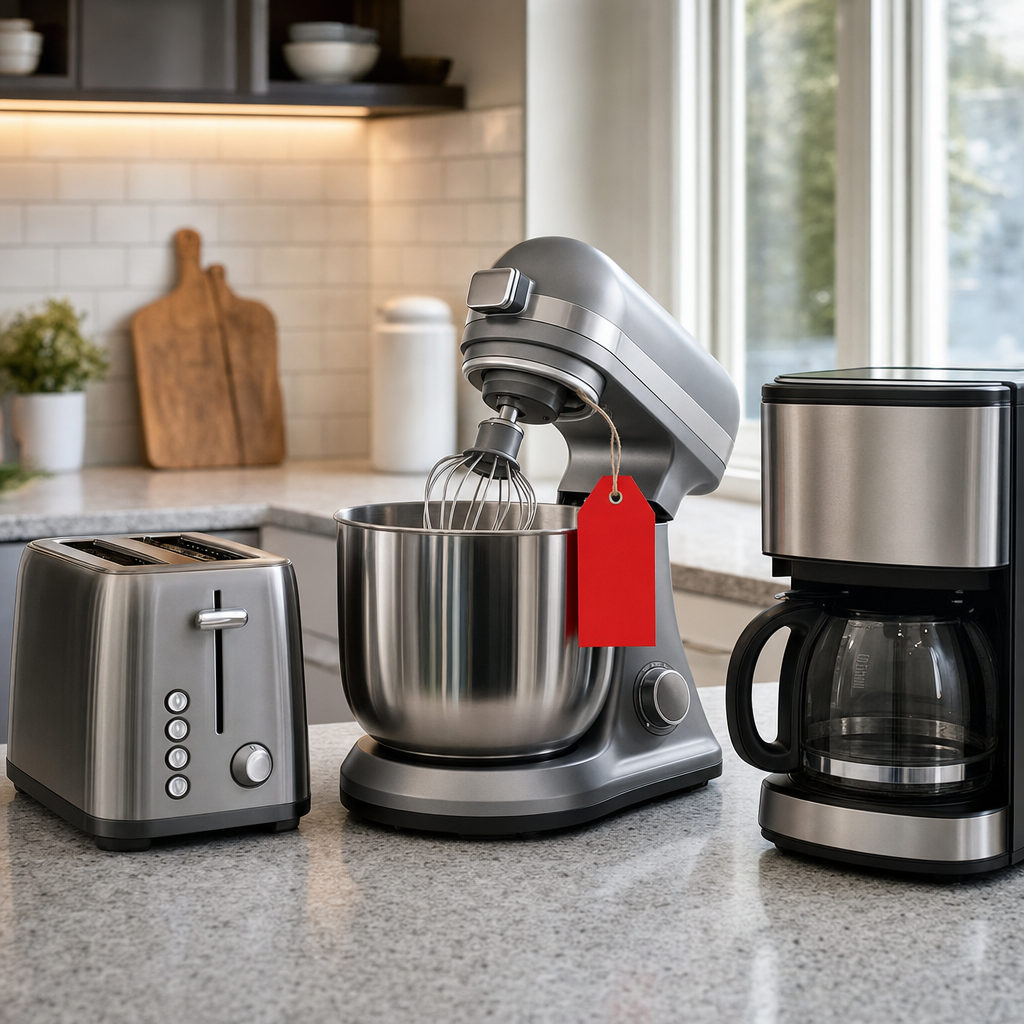
Understanding Appliance Release Cycles and Manufacturer Schedules
Major appliance manufacturers typically operate on an annual cycle, introducing new refrigerator, dishwasher, and oven models during specific months. Most brands unveil their latest product lines in the late winter and early spring, specifically between February and May. During this window, showrooms and warehouses need to clear out older inventory to make physical room for the newly arrived shipments. Consequently, retailers are often highly motivated to offer steep discounts on the previous year’s models, making early spring an ideal time for shoppers looking for reliable technology without paying the premium price tag associated with brand-new releases.
Buying an appliance right before a new line launches usually means you get hardware that has been thoroughly reviewed and tested by consumers over the past year. Manufacturers frequently work out minor software bugs or mechanical quirks in subsequent production runs of the same model. When you purchase an outgoing model during the spring inventory clearance, you benefit from proven reliability. Furthermore, appliance technicians and local repair shops are generally more familiar with these established units, meaning sourcing replacement parts or getting maintenance done is often faster, easier, and much more cost-effective over the lifespan of the appliance.
Major Holiday Sales and Seasonal Shopping Windows
Certain holiday weekends throughout the calendar year consistently feature nationwide promotional events specifically targeting home appliances. Memorial Day, the Fourth of July, and Labor Day represent the holy trinity of summer appliance savings. Retailers heavily advertise package deals during these periods because they coincide with peak moving season and home remodeling projects. Shoppers can frequently find bundled discounts where buying three or more matching kitchen appliances yields an additional percentage off the total purchase price, or unlocks free delivery, professional installation, and haul-away services for old, broken-down units.
Beyond the summer holidays, Black Friday and Cyber Monday remain undisputed giants for consumer electronics and home goods discounts. In recent years, major appliance retailers have expanded these traditional single-day sales into month-long promotional events known as Black November. This extended timeline gives consumers ample time to research specifications, compare energy efficiency ratings, and measure spaces without feeling pressured by flash sales. However, inventory levels can fluctuate rapidly during November, meaning popular finishes like fingerprint-resistant stainless steel or matte black might sell out before the actual holiday weekend arrives.
Month-by-Month Breakdown of Retailer Promotions
Examining the calendar on a monthly basis reveals predictable patterns in how retailers price major household goods. January and February are traditionally known as White Sales, but they also offer fantastic clearance prices on leftover refrigerators and ranges from the previous year. September and October introduce another unique window of opportunity as stores prepare for the upcoming holiday shopping surge by clearing out summer inventory and making space for new shipments. October, in particular, often features Columbus Day or Indigenous Peoples’ Day sales that provide surprisingly competitive discounts on dishwashers and built-in microwaves.
Mid-winter months like February are also uniquely advantageous because foot traffic in brick-and-mortar appliance showrooms is typically quite low. Sales associates may have more flexibility to negotiate package pricing, waive delivery fees, or throw in extended warranties to secure a commission during a slow business period. Conversely, months like May and June see high demand due to real estate market activity and graduations, leading to fewer unadvertised bargains. Understanding these subtle monthly rhythms allows strategic buyers to time their purchases precisely when retail leverage shifts firmly in favor of the consumer.
Hidden Savings: Scratch-and-Dent and Floor Models
Shopping exclusively during holiday weekends or clearance windows is not the only way to secure a fantastic deal on a kitchen appliance. Local appliance showrooms, regional dealer networks, and even big-box home improvement warehouses frequently maintain dedicated areas for scratch-and-dent inventory, customer returns, and discontinued floor models. These appliances are functionally brand new but carry minor cosmetic blemishes, such as a tiny scratch on a side panel or a small dent on a door handle that would typically be hidden against a kitchen cabinet anyway. Purchasing these items can easily yield discounts ranging from twenty to fifty percent off the manufacturer’s suggested retail price.
When buying floor models or open-box appliances, buyers should always verify the remaining manufacturer warranty and ask whether the retailer offers an in-house guarantee. Most reputable stores sell scratch-and-dent appliances with full factory warranties intact, protecting your investment against unexpected mechanical failures. It is also wise to thoroughly inspect the interior components, checking for missing crisper drawers, broken door shelves, or damaged power cords. Bringing a tape measure to the showroom is essential to ensure that clearance items fit your specific kitchen layout, as return policies for discounted floor models can sometimes be stricter than standard purchases.
Practical Factors Beyond the Purchase Price
While securing a low price tag is the primary goal for many shoppers, evaluating the total cost of ownership is equally critical when timing an appliance purchase. Delivery fees, haul-away charges for old units, and specialized installation requirements can quickly erase the savings gained from a holiday sale. Many major retailers offer free delivery and basic installation during promotional holidays like Memorial Day or Black Friday, which can easily save you one to two hundred dollars in hidden fees. Always read the fine print regarding whether the retailer provides the necessary water connection lines for refrigerators or gas conversion kits for ranges.
Energy efficiency is another vital consideration that impacts your monthly utility bills long after the initial transaction is complete. Appliances bearing the Energy Star certification use significantly less water and electricity than older models, translating into substantial long-term savings. Furthermore, many local utility companies and state governments offer financial rebates for upgrading to energy-efficient refrigerators, dishwashers, and induction cooktops. Coordinating your purchase timing with regional rebate cycles or federal tax credit programs can yield additional savings that far outweigh simple holiday discounts.
Strategic Planning Checklist for Buyers
Approaching an appliance purchase with a structured plan prevents impulsive decisions and ensures you get the exact features your household needs. Before browsing sales flyers or visiting showrooms, take time to inventory your current appliances, measure your available kitchen spaces with absolute precision, and document necessary utility hookups. Knowing whether your kitchen uses natural gas or electricity for the stove, or whether your refrigerator space has height restrictions under cabinetry, eliminates costly mistakes. Keeping a running list of must-have features versus nice-to-have luxuries helps you stay focused when sales associates pitch upgraded models.
To help organize your purchasing timeline, consider following this systematic preparation and buying checklist:
- Measure all kitchen doorways, hallways, and appliance cutouts twice to ensure seamless delivery clearance.
- Research annual manufacturer release cycles to identify when your preferred brand updates its inventory.
- Monitor holiday sales calendars, noting upcoming promotional windows like Memorial Day or Black November.
- Check local utility provider websites for active energy efficiency rebates and appliance incentive programs.
- Inspect scratch-and-dent inventory at local independent dealers for deep discounts on cosmetic-only flaws.
Frequently Asked Questions
What month has the absolute best appliance sales?
November is widely considered the best month for overall savings due to extended Black Friday promotions. However, September and October also offer fantastic clearance deals as retailers make room for incoming end-of-year inventory.
Should I buy kitchen appliances as a complete matching set?
Buying appliances as a matched set frequently unlocks bundle discounts and free delivery services from retailers. If you need multiple upgrades at once, purchasing them together is usually more cost-effective than buying individual units separately.
Are scratch-and-dent appliances safe to buy?
Yes, scratch-and-dent appliances are generally safe and fully functional. They usually carry complete manufacturer warranties, with the price reduction reflecting only minor cosmetic blemishes like minor scratches or small dents.
How can I avoid hidden fees when buying appliances on sale?
Always clarify whether delivery, professional installation, old unit removal, and necessary hardware kits are included in the promotional price. Reading the retailer’s fine print before finalizing your purchase prevents unexpected extra costs.
Article Was Generated By AI.